System Analytics and Design: Creating Scalable Solutions for the Digital Age (Tutorials)
Learn the core principles of system analytics and design that ensure scalability, security, and adaptability. This guide explores modern methods to build digital systems ready for future growth.
Tutorials
Sep 21, 2025

In today’s rapidly evolving digital world, businesses need systems that are not only functional but also scalable, secure, and user-centered. System analytics and design play a critical role in building applications that can adapt to increasing demands, support organizational growth, and deliver exceptional user experiences.
This tutorial explores the core practices and methodologies that ensure scalable solutions in the digital age—from understanding system requirements to continuous iteration.
Requirements Gathering and User-Centered Analysis
The foundation of scalable system design lies in understanding what users and stakeholders truly need. Requirements gathering involves structured interviews, surveys, and workshops to capture goals, constraints, and expectations. User-centered analysis ensures the system is built around actual behaviors rather than assumptions, helping avoid costly redesigns later in the project lifecycle.
By creating use-case models, personas, and scenarios, analysts can visualize how different users will interact with the system. This not only clarifies functional requirements but also highlights opportunities for enhancing usability, accessibility, and long-term adoption.

Structured Modeling with Diagrams and Tools
Complex systems require clarity, and modeling provides the language to achieve it. Tools like data flow diagrams (DFDs), entity-relationship diagrams (ERDs), and Unified Modeling Language (UML) diagrams help translate abstract requirements into precise technical blueprints.
These models bridge communication between business teams and developers, reducing misunderstandings and enabling better collaboration. For scalable systems, modeling also exposes potential bottlenecks, data redundancies, and process inefficiencies before they become expensive to fix.

Layered and Modular Architectures
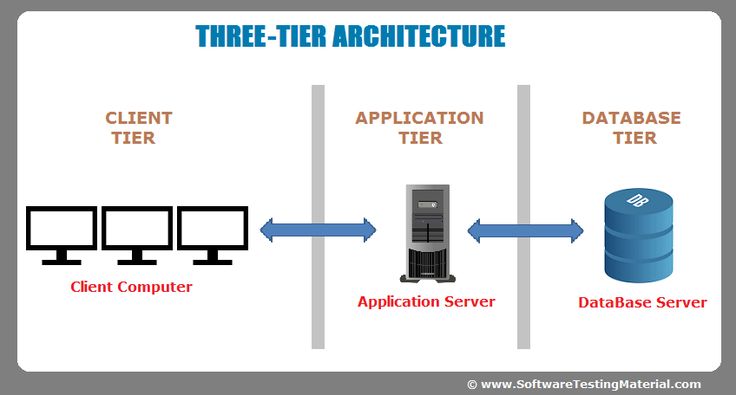
Scalability demands flexibility, and modular system design offers exactly that. By adopting tiered architectures (such as presentation, application, and data tiers) or modern microservices, systems can evolve without requiring complete rebuilds. Each module or service can be scaled independently, ensuring the system adapts to traffic surges, new business requirements, or emerging technologies.
This modular approach also supports agility in development. Teams can work on different components simultaneously, deploy updates incrementally, and integrate with third-party services more easily—all of which accelerate innovation.
Security and Control Integration
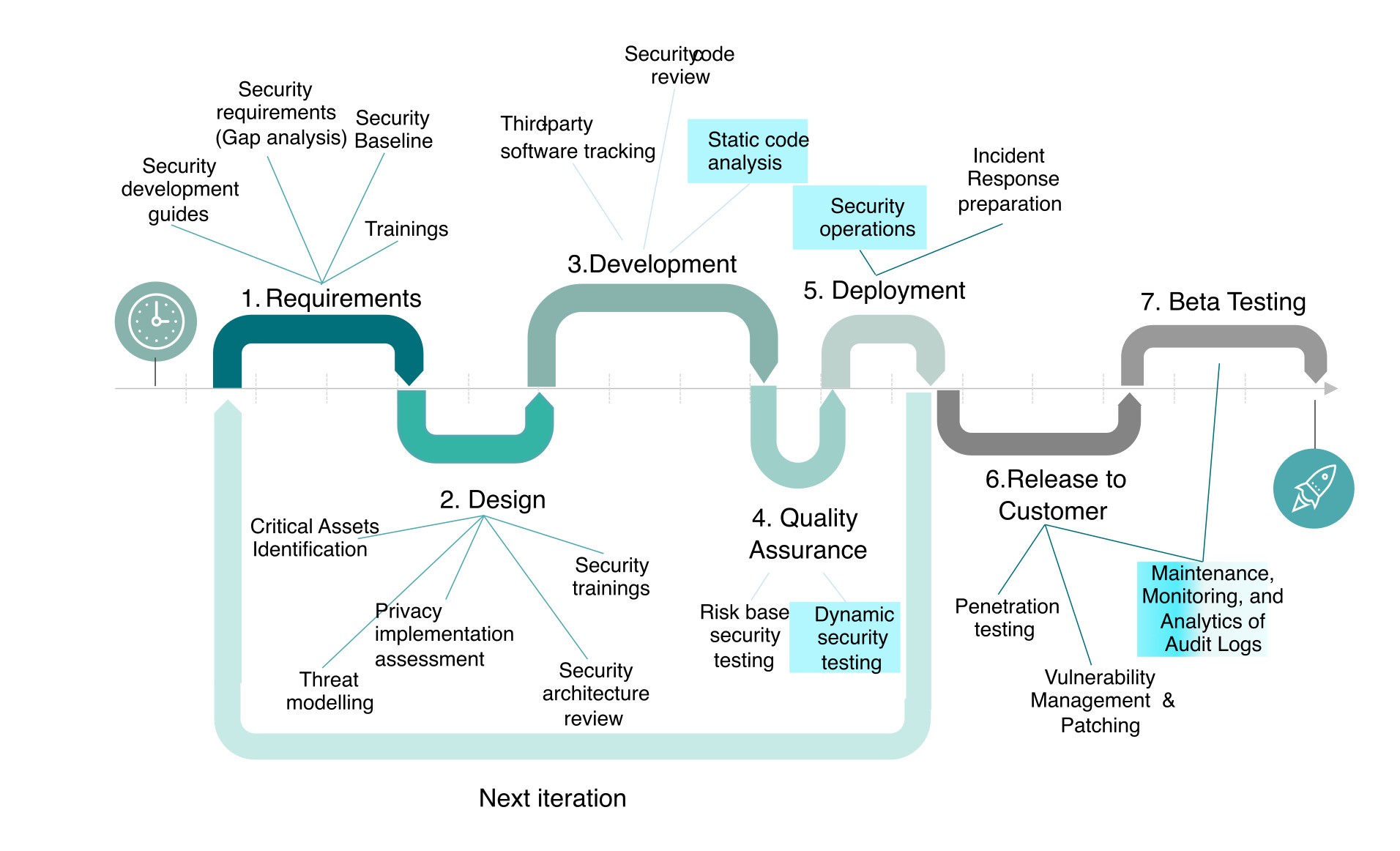
No system is truly scalable if it lacks robust security. As systems expand, so do vulnerabilities. Incorporating authentication, authorization, encryption, and audit trails from the start ensures that scalability does not compromise data integrity or user trust.
System analytics emphasizes embedding security into every design phase, not just as an afterthought. Proactive threat modeling, compliance checks, and risk analysis allow organizations to build systems that can scale globally while maintaining the highest standards of privacy and protection.

Continuous Evaluation and Optimization
System analytics doesn’t end once the system goes live. Continuous evaluation—through performance monitoring, usability testing, and feedback loops—is essential for long-term scalability. Advanced analytics tools provide real-time insights into system performance, highlighting areas that require optimization.
This iterative approach ensures that systems evolve with user expectations and technological advancements. By prioritizing regular refinements, organizations can sustain performance, reduce downtime, and ensure that their solutions remain relevant in an ever-changing digital landscape.
More to Discover


System Analytics and Design: Creating Scalable Solutions for the Digital Age (Tutorials)
Learn the core principles of system analytics and design that ensure scalability, security, and adaptability. This guide explores modern methods to build digital systems ready for future growth.
Tutorials
Sep 21, 2025
In today’s rapidly evolving digital world, businesses need systems that are not only functional but also scalable, secure, and user-centered. System analytics and design play a critical role in building applications that can adapt to increasing demands, support organizational growth, and deliver exceptional user experiences.
This tutorial explores the core practices and methodologies that ensure scalable solutions in the digital age—from understanding system requirements to continuous iteration.
Requirements Gathering and User-Centered Analysis
The foundation of scalable system design lies in understanding what users and stakeholders truly need. Requirements gathering involves structured interviews, surveys, and workshops to capture goals, constraints, and expectations. User-centered analysis ensures the system is built around actual behaviors rather than assumptions, helping avoid costly redesigns later in the project lifecycle.
By creating use-case models, personas, and scenarios, analysts can visualize how different users will interact with the system. This not only clarifies functional requirements but also highlights opportunities for enhancing usability, accessibility, and long-term adoption.
Structured Modeling with Diagrams and Tools
Complex systems require clarity, and modeling provides the language to achieve it. Tools like data flow diagrams (DFDs), entity-relationship diagrams (ERDs), and Unified Modeling Language (UML) diagrams help translate abstract requirements into precise technical blueprints.
These models bridge communication between business teams and developers, reducing misunderstandings and enabling better collaboration. For scalable systems, modeling also exposes potential bottlenecks, data redundancies, and process inefficiencies before they become expensive to fix.
Layered and Modular Architectures
Scalability demands flexibility, and modular system design offers exactly that. By adopting tiered architectures (such as presentation, application, and data tiers) or modern microservices, systems can evolve without requiring complete rebuilds. Each module or service can be scaled independently, ensuring the system adapts to traffic surges, new business requirements, or emerging technologies.
This modular approach also supports agility in development. Teams can work on different components simultaneously, deploy updates incrementally, and integrate with third-party services more easily—all of which accelerate innovation.
Security and Control Integration
No system is truly scalable if it lacks robust security. As systems expand, so do vulnerabilities. Incorporating authentication, authorization, encryption, and audit trails from the start ensures that scalability does not compromise data integrity or user trust.
System analytics emphasizes embedding security into every design phase, not just as an afterthought. Proactive threat modeling, compliance checks, and risk analysis allow organizations to build systems that can scale globally while maintaining the highest standards of privacy and protection.
Continuous Evaluation and Optimization
System analytics doesn’t end once the system goes live. Continuous evaluation—through performance monitoring, usability testing, and feedback loops—is essential for long-term scalability. Advanced analytics tools provide real-time insights into system performance, highlighting areas that require optimization.
This iterative approach ensures that systems evolve with user expectations and technological advancements. By prioritizing regular refinements, organizations can sustain performance, reduce downtime, and ensure that their solutions remain relevant in an ever-changing digital landscape.
More to Discover
System Analytics and Design: Creating Scalable Solutions for the Digital Age (Tutorials)
Learn the core principles of system analytics and design that ensure scalability, security, and adaptability. This guide explores modern methods to build digital systems ready for future growth.
Tutorials
Sep 21, 2025
In today’s rapidly evolving digital world, businesses need systems that are not only functional but also scalable, secure, and user-centered. System analytics and design play a critical role in building applications that can adapt to increasing demands, support organizational growth, and deliver exceptional user experiences.
This tutorial explores the core practices and methodologies that ensure scalable solutions in the digital age—from understanding system requirements to continuous iteration.
Requirements Gathering and User-Centered Analysis
The foundation of scalable system design lies in understanding what users and stakeholders truly need. Requirements gathering involves structured interviews, surveys, and workshops to capture goals, constraints, and expectations. User-centered analysis ensures the system is built around actual behaviors rather than assumptions, helping avoid costly redesigns later in the project lifecycle.
By creating use-case models, personas, and scenarios, analysts can visualize how different users will interact with the system. This not only clarifies functional requirements but also highlights opportunities for enhancing usability, accessibility, and long-term adoption.
Structured Modeling with Diagrams and Tools
Complex systems require clarity, and modeling provides the language to achieve it. Tools like data flow diagrams (DFDs), entity-relationship diagrams (ERDs), and Unified Modeling Language (UML) diagrams help translate abstract requirements into precise technical blueprints.
These models bridge communication between business teams and developers, reducing misunderstandings and enabling better collaboration. For scalable systems, modeling also exposes potential bottlenecks, data redundancies, and process inefficiencies before they become expensive to fix.
Layered and Modular Architectures
Scalability demands flexibility, and modular system design offers exactly that. By adopting tiered architectures (such as presentation, application, and data tiers) or modern microservices, systems can evolve without requiring complete rebuilds. Each module or service can be scaled independently, ensuring the system adapts to traffic surges, new business requirements, or emerging technologies.
This modular approach also supports agility in development. Teams can work on different components simultaneously, deploy updates incrementally, and integrate with third-party services more easily—all of which accelerate innovation.
Security and Control Integration
No system is truly scalable if it lacks robust security. As systems expand, so do vulnerabilities. Incorporating authentication, authorization, encryption, and audit trails from the start ensures that scalability does not compromise data integrity or user trust.
System analytics emphasizes embedding security into every design phase, not just as an afterthought. Proactive threat modeling, compliance checks, and risk analysis allow organizations to build systems that can scale globally while maintaining the highest standards of privacy and protection.
Continuous Evaluation and Optimization
System analytics doesn’t end once the system goes live. Continuous evaluation—through performance monitoring, usability testing, and feedback loops—is essential for long-term scalability. Advanced analytics tools provide real-time insights into system performance, highlighting areas that require optimization.
This iterative approach ensures that systems evolve with user expectations and technological advancements. By prioritizing regular refinements, organizations can sustain performance, reduce downtime, and ensure that their solutions remain relevant in an ever-changing digital landscape.